Crochet Skill Levels Explained: Beginner to Experienced
Every crochet pattern has a little label that says something like “Easy” or “Intermediate.” But what does that actually mean? Can a beginner make an Easy pattern? What makes something Intermediate? And how do you know when you’re ready to move up?
This guide explains the four standard crochet skill levels from the Craft Yarn Council, what you should know at each one, and the kinds of projects that fit. I’ve included examples from my own patterns so you can find the perfect next project.
Jump to a section
- The 4 crochet skill levels
- What about “Advanced Beginner” and other in-between labels?
- How to tell what level you are
- How to move up a level
- Crochet skill level FAQ
The 4 crochet skill levels
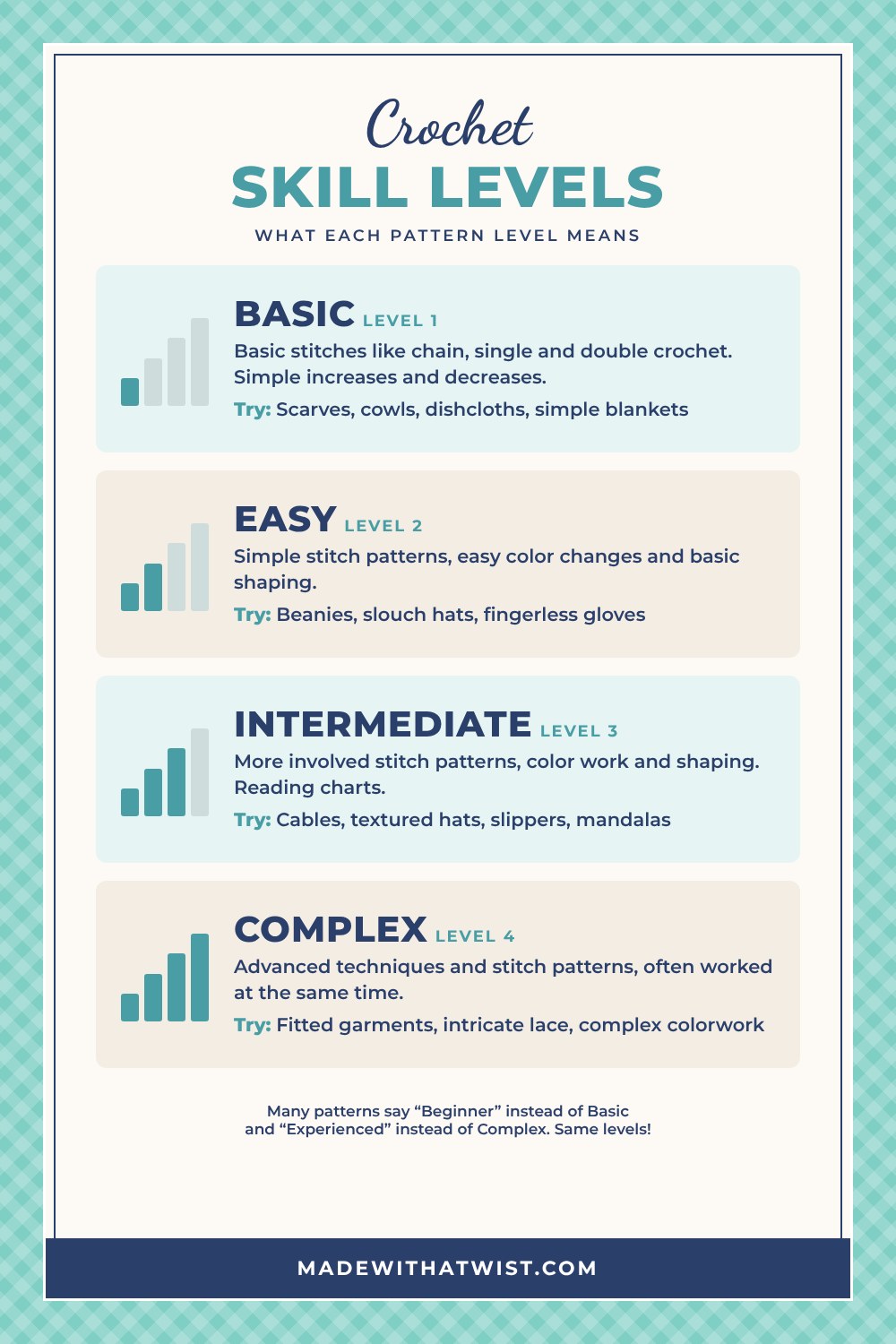
The Craft Yarn Council’s standard uses four levels. You’ll see them shown as a number (1 to 4) or a little bar graph with one to four bars filled in. Older patterns, and many designers (me included), use Beginner for level 1, and some use Experienced for level 4. They mean the same thing.
| Level | Name | What the pattern may include |
|---|---|---|
| 1 | Basic (Beginner) | Basic stitches, simple increases and decreases |
| 2 | Easy | Simple stitch patterns, color work and/or shaping |
| 3 | Intermediate | More involved stitch patterns, color work and/or shaping |
| 4 | Complex (Experienced) | Complex stitch patterns, color work and/or shaping, using several techniques at the same time |
Level 1: Basic (Beginner)
Patterns use the basic stitches: chain, slip stitch, single crochet, half double crochet and double crochet. There may be simple increases and decreases, but the stitch pattern repeats the same way row after row, with little or no shaping.
- You should know: how to make a foundation chain, the basic stitches, how to turn your work and how to count your stitches.
- Great projects: scarves, cowls, dishcloths, simple blankets.
- From my patterns: the McKenna One-Hour Super Bulky Cowl and the Chunky Shawl.
Level 2: Easy
Easy patterns add a little something: a simple stitch pattern (like alternating stitches), working in the back loop, basic color changes, or simple shaping like the increases at the top of a hat.
- You should know: everything from Basic, plus working in rounds, simple increases and decreases, and reading a pattern’s repeats.
- Great projects: beanies, slouch hats, fingerless gloves, textured blankets.
- From my patterns: the Easy Double Brim Slouch Hat and the Whispering Pines Unisex Beanie.
Level 3: Intermediate
Intermediate patterns combine techniques: post stitches, cables, textured stitch patterns, more shaping, colorwork, or working from a chart. You’ll need to pay closer attention and keep track of where you are.
- You should know: everything from Easy, plus special stitches (like FPdc, BPdc and clusters), following a stitch count closely, and reading crochet charts.
- Great projects: cabled scarves, textured or ribbed hats, slippers, mandalas, granny-square garments.
- From my patterns: the Double Brim Knit-Look Beanie and the Ardara Oversized Cable Scarf.
Level 4: Complex (Experienced)
Complex patterns use advanced stitch patterns, colorwork and shaping, often several at the same time, like working intricate lace while shaping a fitted garment. Instructions may be brief and assume you know the techniques.
- You should know: a wide range of stitches and techniques, how to adjust for fit and gauge, and how to read complex charts.
- Great projects: fitted sweaters, intricate lace shawls, detailed colorwork.
What about “Advanced Beginner” and other in-between labels?
Designers sometimes use in-between labels when a pattern doesn’t fit neatly in one box. You’ll see a few of these in my patterns too:
- Advanced Beginner or Adventurous Beginner: right at the line between Basic and Easy. You know the basic stitches and you’re ready for one new skill, like the Alpine stitch in my Top Down Alpine Stitch Hat. Think of it as an Easy pattern.
- Easy/Intermediate: mostly Easy, with one or two Intermediate techniques. A good stretch project when you’re ready to grow.
How to tell what level you are
Skill levels describe the pattern, not you. Your level is simply the hardest kind of pattern you feel comfortable with. Here’s a quick check:
- You’re ready for Easy if you can make a foundation chain and work rows of single and double crochet with straight edges and the right stitch count.
- You’re ready for Intermediate if you’ve made a few hats or other projects worked in rounds, you’re comfortable with increases and decreases, and you can read most abbreviations without looking them up.
- You’re ready for Complex if you regularly work post stitches, colorwork and charts, and you can fix mistakes and adjust a pattern for fit.
How to move up a level
- Learn one new skill per project. Pick a pattern that’s at your level plus one new stitch or technique.
- Practice the new stitch first. Work a small swatch before you start the real project.
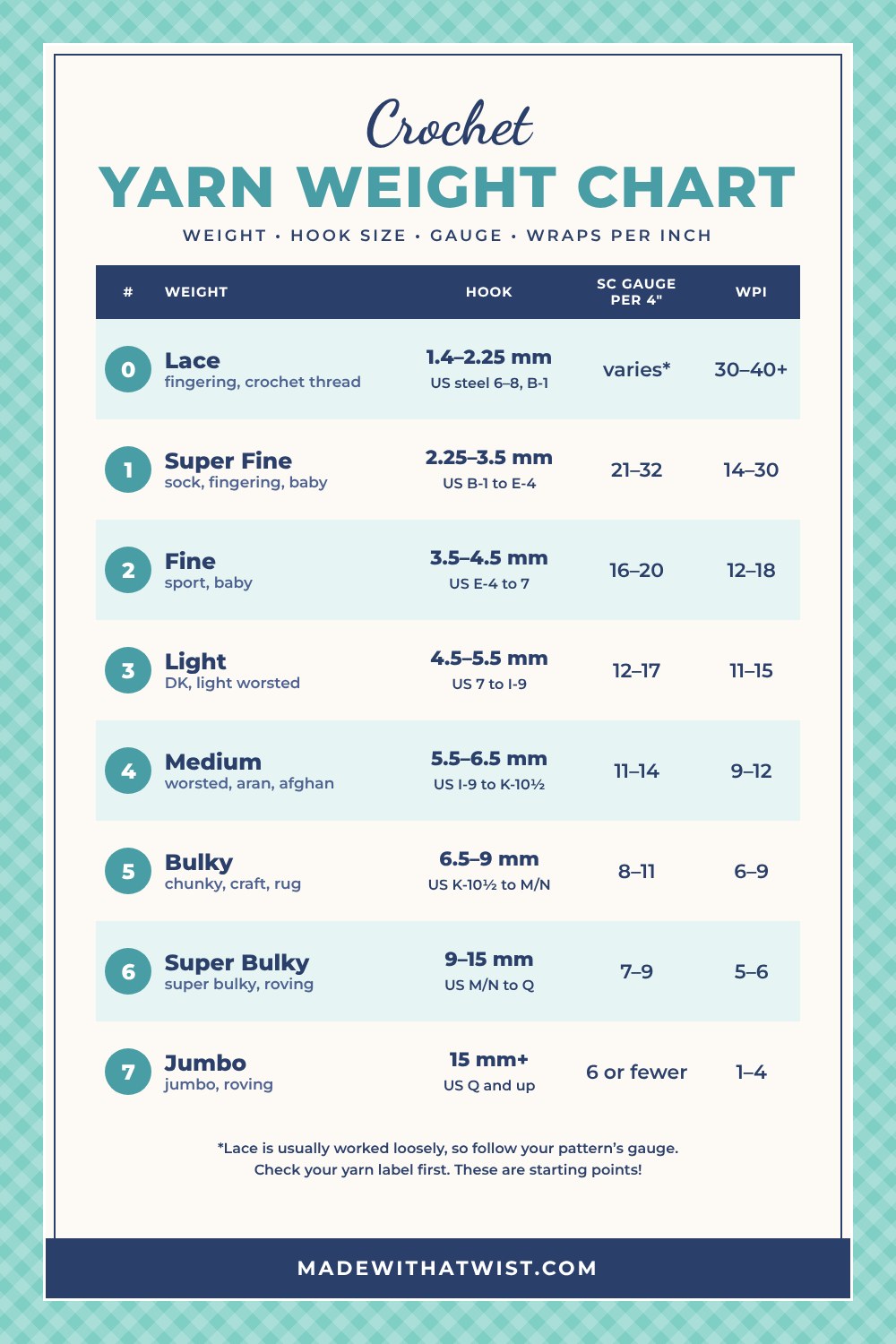
- Choose thicker yarn for new techniques. Stitches are easier to see in worsted or super bulky yarn. My yarn weight chart explains the options.
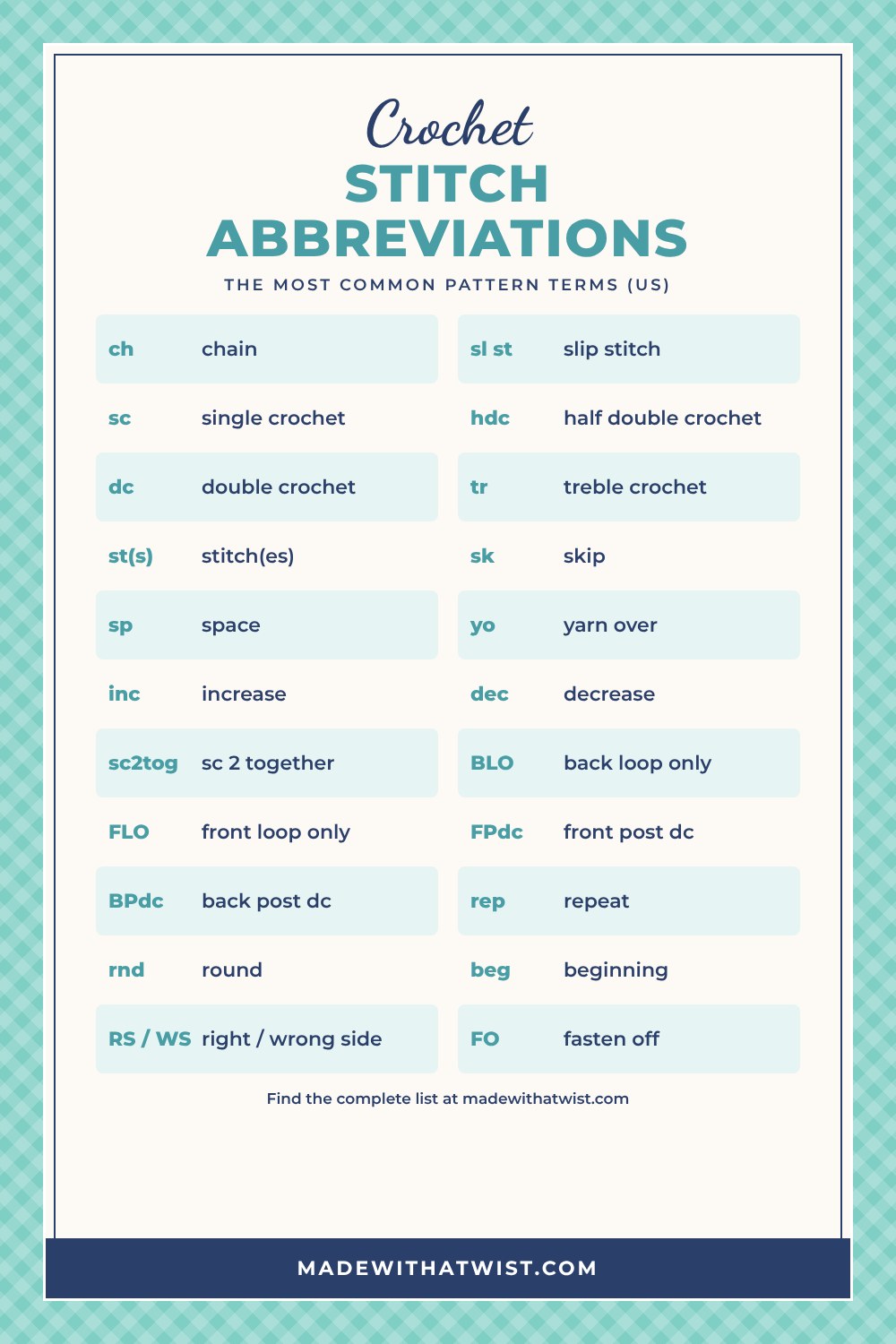
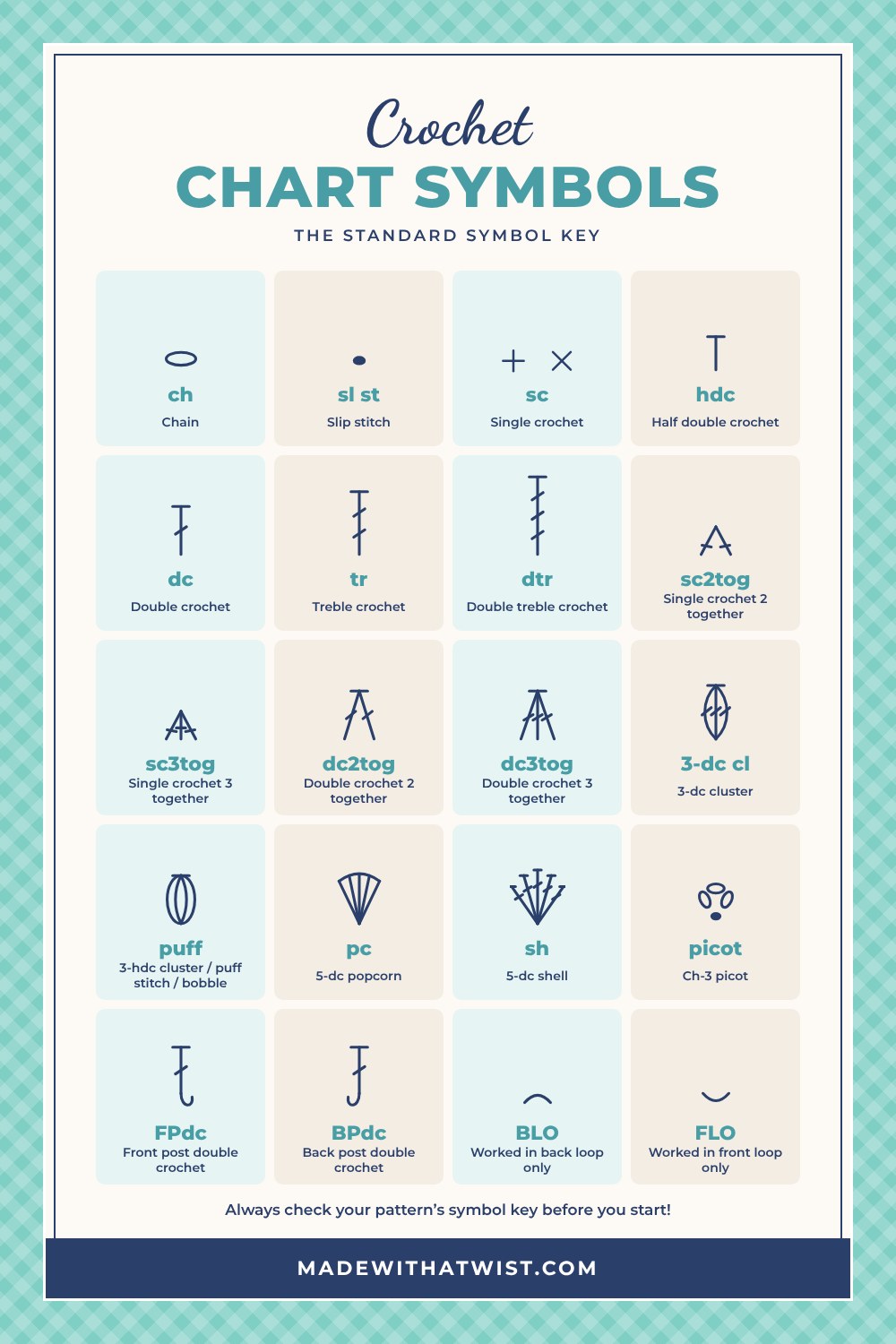
- Keep your references handy. Bookmark my abbreviations list and chart symbols so you can look things up as you go.
- Don’t be afraid to frog. Ripping back is part of learning. Every crocheter does it!
Crochet skill level FAQ
Can a beginner make an Easy pattern?
Yes! If you’re comfortable with the basic stitches, an Easy pattern is the perfect next step. Read through the pattern first and look up anything new before you start.
Is Easy harder than Beginner?
Yes, a little. Beginner (Basic) is level 1 and Easy is level 2. Easy patterns add a simple stitch pattern, color change or shaping.
Are skill levels the same for every designer?
Most designers follow the Craft Yarn Council standard, but each one judges their own patterns a little differently. If a pattern seems harder than its label, it’s not you!
Does super bulky yarn make a pattern easier?
Often, yes. Big stitches are easier to see and count, and projects finish fast, which keeps you motivated. That’s why so many of my one-hour hats and cowls are great first projects.
Keep learning
- Crochet Abbreviations: Complete List for Beginners (US Terms)
- Crochet Chart Symbols: How to Read a Crochet Chart
- Crochet Hook Size Chart: Metric, US and UK Conversions
- Crochet Yarn Weight Chart: Every Yarn Weight Explained
- How to Crochet a Chain (and Count Your Foundation Chain)